

Cold, rainy spring weather doesn’t have to cut your pool season short. While unpredictable weather patterns can delay traditional pool openings and reduce valuable swimming time, there are proven strategies to extend your pool season and overcome the challenges of late openings. This comprehensive guide provides practical solutions to help you maximize your pool investment and enjoy comfortable swimming temperatures despite Mother Nature’s unpredictability.
Heavy rainfall dilutes the chemicals in your pool water and creates a pH imbalance. Rain also washes bacteria, dirt, algae spores, and other debris into your pool, which can attack the active chlorine and mitigate its effects. These conditions become amplified during late openings when pools remain dormant for extended periods.
Algae poses a major hurdle for pools opening late. While sanitizers typically control the constant influx of algae spores, low sanitizer levels allow rapid growth and adherence to pool surfaces. Effective algae prevention hinges on maintaining chemical balance, specifically a pH of 7.2-7.8 and, for chlorine users, 2.0-4.0 ppm chlorine.
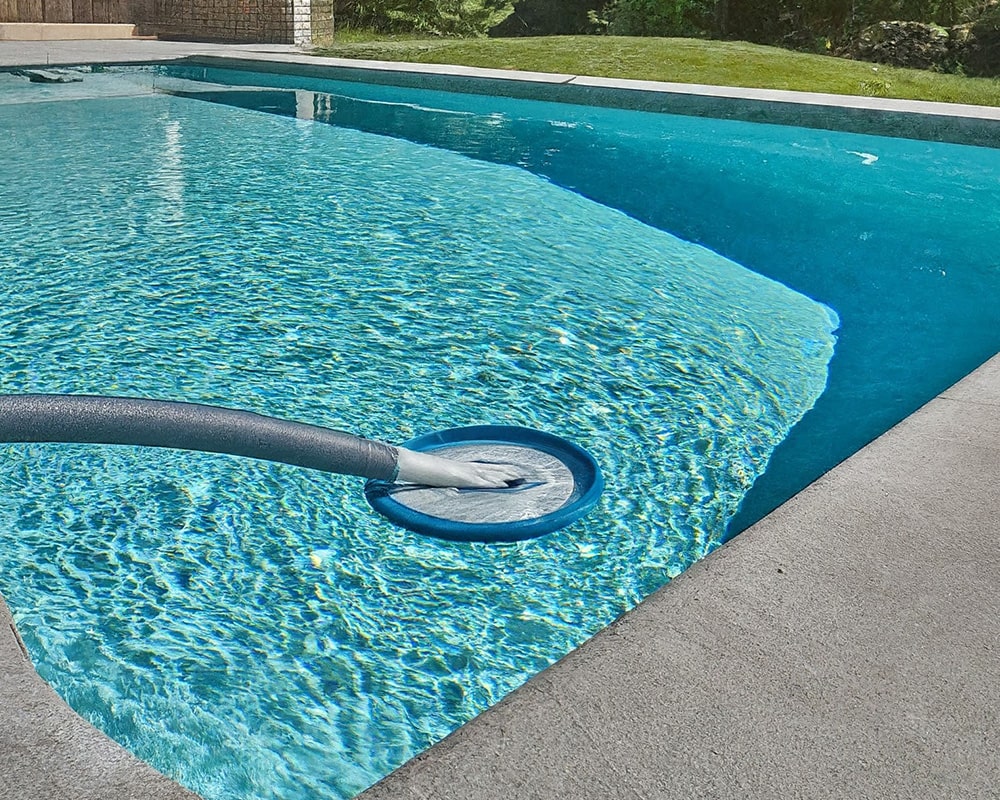
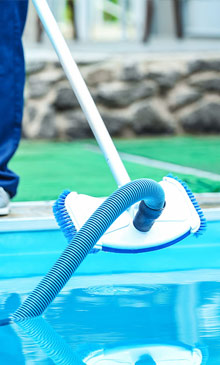
Once algae takes hold, swift action is crucial. Standard chlorine doses won’t eradicate it, nor will simply running your filter remove the spores. You need to physically remove the algae by brushing and vacuuming before chemical treatment. At Royal Pools and Spas, our Algae Erase Program is proven to eliminate algae faster than any other treatment. Bring a water sample and a picture to one of our trained lab technicians, and we’ll get you set up.
Optimizing Filtration Systems
Your pool’s filtration system is key to both preventing and eliminating algae. When temperatures rise or the pool sees heavy use, it’s best to run your filter 24 hours a day. Aim to cycle the entire volume of water through the filter at least once daily. If you’re actively treating an algae bloom, continuous filtration is crucial until your water is crystal clear again.
Backwashing your filter helps remove trapped debris. Do this according to your manufacturer’s instructions or when your pressure gauge shows a 7-10 psi increase above its normal operating pressure.
Heat Pumps
Heat pumps are the most efficient method of extending your pool season. Unlike traditional heating methods, which generate heat through combustion, heat pumps transfer heat from the surrounding air to pool water. A swimming pool heat pump removes “free heat” from the air and transfers it to the freon via an evaporator. The heated freon passes through the heat exchanger where the heat is transferred to the pool water. The main reason heat pumps are becoming so popular is that they are efficient and effective, offering very significant operating cost savings compared to fossil fuel heaters.
Heat pumps can save you up to 80% on operating costs compared to gas heaters. A pool heat pump utilizes electricity and adds about $300 annually to your electricity bill. Compared to gas heating systems that cost $1,500 or more annually, the savings become immediately apparent.
Making the Most of Your Extended Pool Season
Extending your pool season and successfully managing late openings becomes achievable with the right strategies and equipment. From heat pump technology that can reduce operating costs by up to 80% to pool covers that can save 50-70% on heating expenses, these solutions provide practical, cost-effective ways to maximize your pool investment.
Royal Pools & Spas understands pool owners’ challenges when extending their swimming seasons. Our experienced team can help you select the right heat pump system, recommend effective pool covers, and provide professional guidance on maintenance strategies that ensure optimal performance throughout your extended season. Contact us today, or visit one of our showrooms, to learn more.