

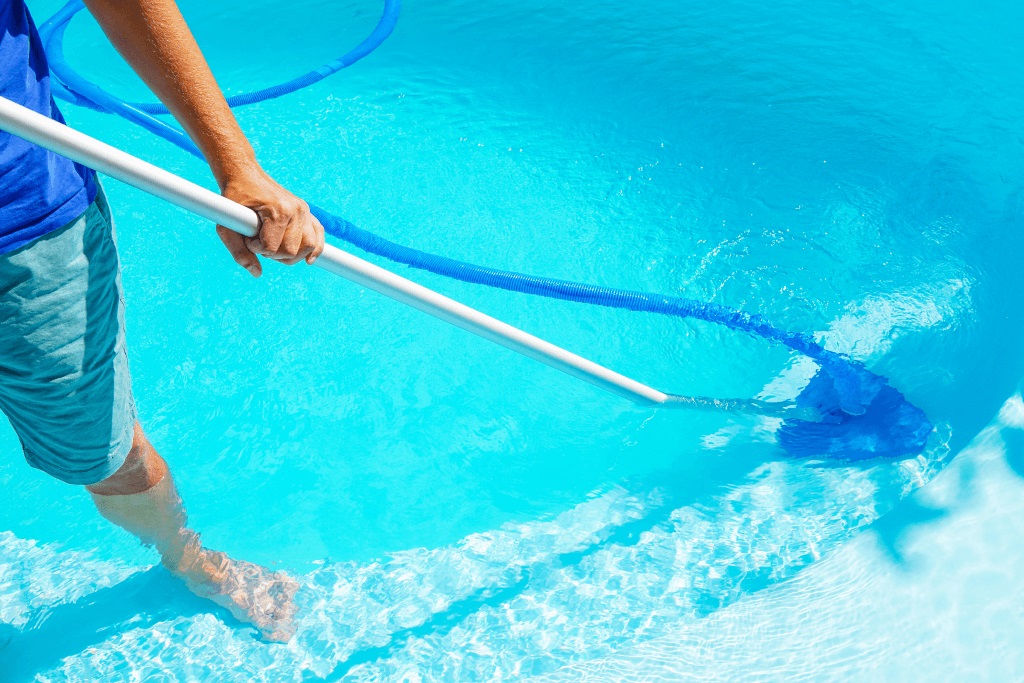
After a long winter, your swimming pool areas deserve a thorough refresh before diving into the warmer months. Regular preventative care can save pool owners an average of about $1,157 annually. Our comprehensive pool cleaning checklist will guide you through preparing your entire pool area for the upcoming season of splashes and sunshine.
Step 1: Pre-Cleaning Assessment
Begin your spring pool cleaning checklist when daytime temperatures consistently reach above 60°F. Before jumping into the actual cleaning, take inventory of what you’re working with:
Essential Tools and Supplies:
- Pool cover pump
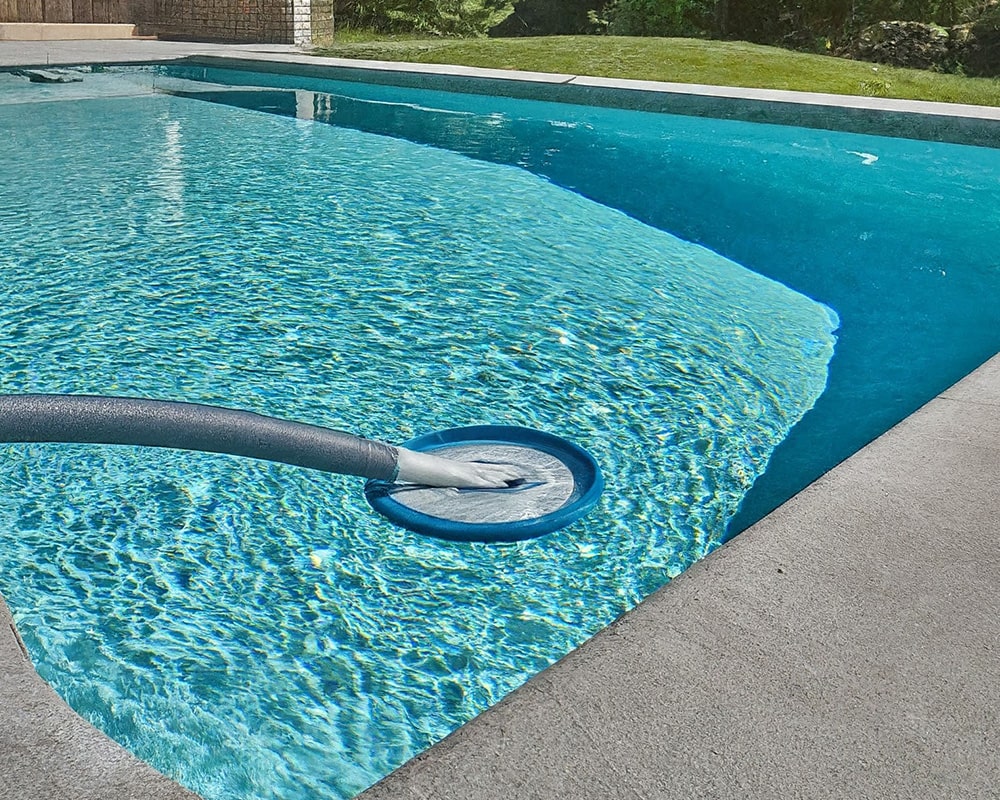
- Leaf skimmer and vacuum
- Pool-safe cleaning solutions
- Test strips for water chemistry
- Garden hose with adjustable nozzle
- Soft-bristle brushes of various sizes
- Microfiber cloths for detailed cleaning
- Pressure washer (optional but recommended)
Take photos of any winter damage you discover—this documentation could prove valuable for insurance claims or professional consultation. Safety first: always wear protective gloves and eyewear when handling pool chemicals.
Step 2: Pool Cover Removal
Your pool cover has protected your investment all winter and now deserves proper care:
- Remove debris from the cover surface before attempting removal
- Drain standing water using a pool cover pump
- Enlist help for removing larger covers to prevent tears
- Clean thoroughly with mild soap and water before storage
- Inspect for damage like tears, stretched sections, or broken fasteners
If your cover shows significant wear, early replacement is more cost-effective than dealing with the consequences of a failing cover. Store your clean, dry cover in a cool, dry place away from pests and sharp objects.
Step 3: Cleaning the Pool Deck
The pool deck frames your aquatic oasis and requires special attention on your pool cleaning checklist.
Inspection Points:
- Check for cracks, loose stones, or uneven surfaces
- Look for signs of water pooling or drainage issues
- Examine caulking and expansion joints
- Inspect railings and ladders for stability
Most pool decks benefit from annual pressure washing, but adjust the pressure based on your decking material. Concrete can handle higher pressure, while natural stone or pavers require gentler cleaning. Apply a fresh sealant to protect against stains and weather damage.
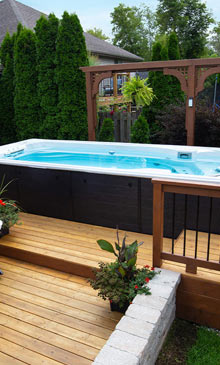
For wooden decks, look for loose boards, protruding nails, and signs of rot. A light sanding and fresh sealant can revitalize weathered wood and prevent splinters.
Step 4: Pool Equipment and Mechanical Areas
Proper equipment maintenance ensures efficiency and extends the life of your pool’s vital systems.
Be sure to check the following:
- Filter cleaning – backwash sand filters, clean cartridge filters with appropriate cleaner
- Pump and motor inspection – check for leaks, unusual noises, and proper operation
- Heater maintenance – inspect for debris, clean pilot assembly, check gas connections
- Chemical feeders – disassemble, clean, and check for clogs or wear
- Control systems – test automation, timers, and safety shutoffs
Organize your equipment area by discarding empty containers, creating a logical chemical storage system (always following safety guidelines), and replacing worn-out tools. A clean, organized equipment area makes regular maintenance easier throughout the season.
Step 5: Pool Furniture and Accessories
Your poolside furniture completes the outdoor experience and deserves attention on your pool cleaning checklist.
Cleaning by Material:
- Vinyl/plastic – warm soapy water with a soft brush
- Metal – check for rust spots, clean with appropriate metal cleaner
- Wood – mild cleaner, light sanding for rough spots, fresh sealant
- Fabrics – follow the manufacturer’s cleaning instructions, check for mildew
Inspect furniture frames for structural integrity. Small repairs now prevent bigger problems later. Consider refreshing cushions with water-resistant spray to extend their life through summer rainstorms.
Step 6: Landscaping and Pool Surroundings
Your pool’s landscape setting affects both aesthetics and maintenance requirements.
Elements to inspect and clean:
- Trim vegetation at least 3 feet back from the pool edge
- Clean gutters and downspouts to prevent runoff issues
- Refresh mulch in surrounding beds, maintaining a 2-inch distance from pool coping
- Inspect irrigation systems for leaks or spray patterns hitting the pool
- Apply pre-emergent weed control in nearby beds to reduce ongoing maintenance
Proper landscape maintenance around your pool can significantly reduce debris in the water, cutting filter strain and chemical needs.
Step 7: Pool Water Preparation
Now that your pool surroundings shine, it’s time to focus on the water.
Preparation checklist:
- Remove the final debris from the pool bottom and walls
- Fill the pool to the proper level, if needed
- Test and balance the water chemistry
- Shock the pool with an appropriate chlorine shock treatment
- Run the filtration system continuously for 24-48 hours
- Brush the walls and floor daily during this initial startup
Remember to wait the recommended time after shocking before swimming—typically 24 hours, but always follow product instructions.
Ongoing Maintenance Schedule
After completing your thorough spring pool cleaning checklist, maintain your efforts with the following maintenance schedule:
Weekly Tasks:
- Test and adjust water chemistry
- Empty skimmer and pump baskets
- Brush pool walls
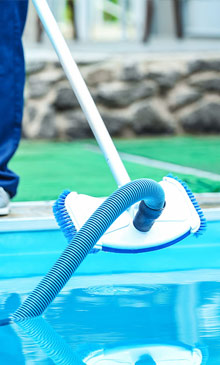
- Vacuum pool floor
- Clean waterline
Monthly Tasks:
- Deep clean filter
- Check equipment for leaks
- Inspect safety features
- Clean deck drainage systems
Seasonal Tasks:
- Check and adjust stabilizer levels
- Inspect the pool surface for damage
- Clean and organize chemical storage
- Schedule a professional equipment check
A thorough spring cleaning using this comprehensive pool cleaning checklist ensures your pool area isn’t just clean—it’s safe, efficient, and ready for months of enjoyment. Investing time now in proper spring cleaning can reduce ongoing costs while extending your pool’s lifespan.