

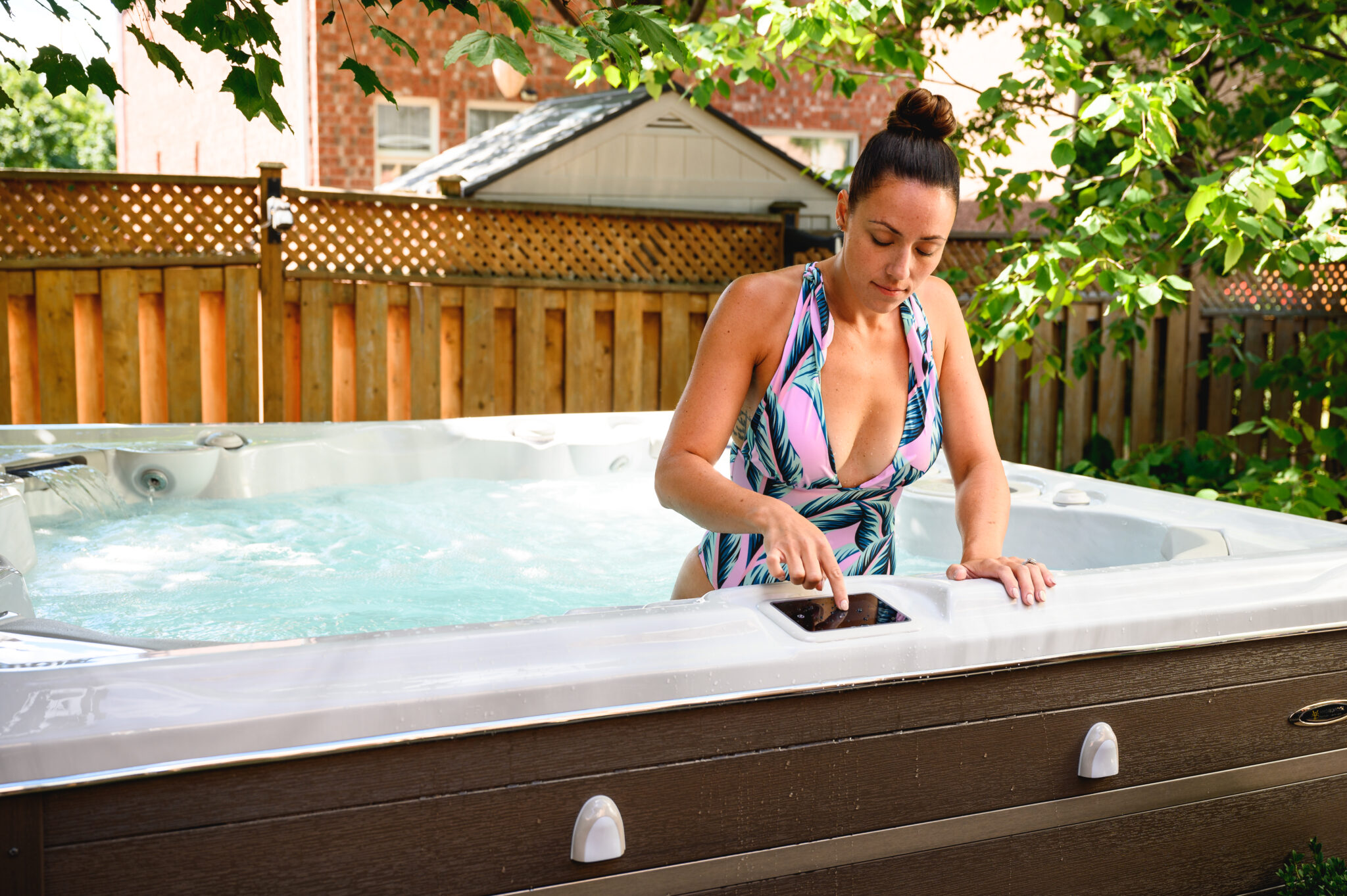
Contrast therapy alternates between hot and cold temperatures to boost circulation, reduce inflammation, and accelerate recovery. This wellness practice uses saunas and hot tubs paired with cooler water and colder temperatures to create therapeutic temperature shifts that benefit your entire body.
Below, we’ll break down everything you need to know about contrast therapy, from the science behind it to creating your own home setup with the right equipment.
How Does Contrast Therapy Work?
Your blood vessels dilate in heat and constrict in cold, creating a pumping action that flushes metabolic waste and delivers fresh oxygen to tissues. This vascular workout happens when you spend about 15-20 minutes in a sauna at 150-195°F, then transition to cooler water or temperature for 1-3 minutes.
The temperature contrast triggers multiple physiological responses. Heat exposure increases heart rate, promotes sweating, and relaxes muscles. Cold exposure activates your nervous system, releases endorphins, and reduces inflammation. Together, these create powerful wellness benefits.
What Are The Main Benefits of Contrast Therapy?
1. Athletic Recovery and Performance
Athletes use contrast therapy to reduce muscle soreness and speed recovery between training sessions. The practice flushes lactic acid, reduces inflammation markers, and restores muscle function faster than passive recovery alone.
Professional sports teams and Olympic training facilities incorporate contrast therapy into their recovery protocols. The technique helps maintain peak performance during intense training periods and competitive seasons.
2. Enhanced Immune Function
Regular contrast therapy strengthens the immune response by increasing white blood cell production and improving lymphatic drainage. Studies show practitioners experience fewer colds and respiratory infections throughout the year.
The stress adaptation from temperature exposure builds resilience at the cellular level. This hormetic stress strengthens your body’s defense systems, similar to how exercise improves fitness.
3. Mental Health and Stress Relief
The practice triggers endorphin release similar to moderate exercise, reducing cortisol levels and improving mood within minutes. Regular sessions enhance stress resilience and even promote better sleep quality.
Many practitioners actually report improved focus, reduced anxiety, and better emotional regulation. The mindfulness required during temperature transitions creates a meditative state that carries into daily life.
Creating Your Home Contrast Therapy Setup
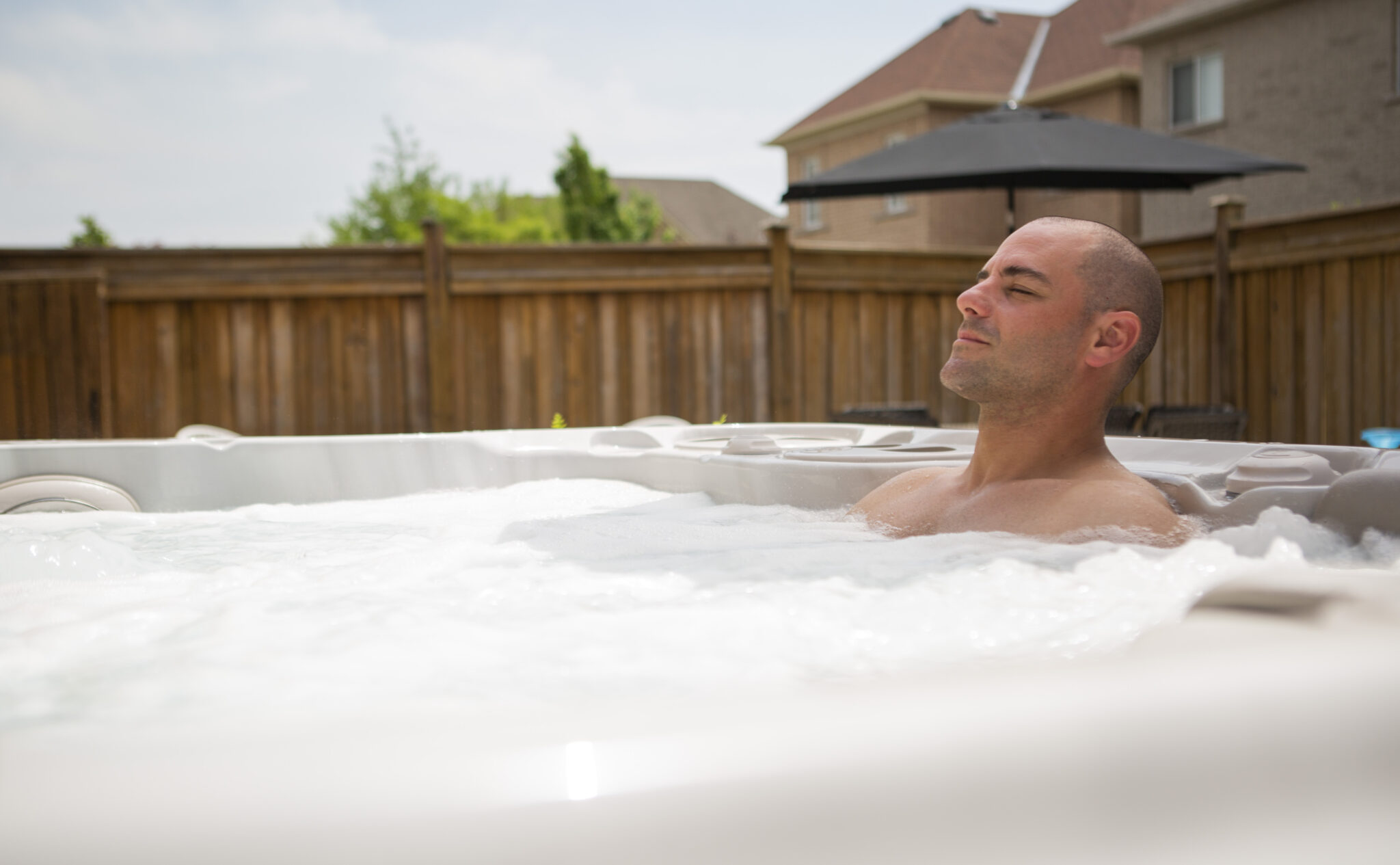
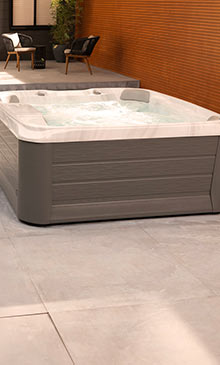
A home sauna paired with a hot tub creates the ideal contrast therapy setup, allowing precise temperature control and comfortable transitions. Royal Pools & Spas offers Sundance® Spas hot tubs and custom saunas designed for therapeutic use.
Some indoor saunas require as little as 4×4 feet of space, while outdoor installations offer more flexibility. Hot tubs need adequate deck support and electrical access.
Our design experts evaluate your space and recommend configurations that maximize therapeutic benefit within your available area.
Installation Considerations
Proper ventilation ensures safe sauna operation and prevents moisture damage. Electrical requirements vary by sauna type and size, typically requiring 220V service for traditional saunas. Proximity between hot and cold stations minimizes transition time and heat loss.
Royal Pools & Spas handles complete installation from planning through final setup. Our experienced team ensures proper electrical, ventilation, and structural requirements meet code while optimizing your therapeutic experience.
Your Contrast Therapy Routine Guide
If you’re new to contrast therapy, start conservatively with 10-15 minutes of heat exposure and just 30 seconds of cold, gradually building to 15-20 minutes in the sauna at 150-195°F, followed by 1-3 minutes of cold water exposure.
A typical session involves 2-3 cycles with 2-5 minute rest periods between rounds, always ending with cold, though timing varies based on individual tolerance. Some prefer longer heat with brief cold, while others balance durations equally. Begin with 2-3 sessions weekly, allowing recovery days between, and gradually increase frequency as your body adapts, with advanced practitioners often practicing daily.
Always listen to your body, exit immediately if you feel lightheaded or nauseous, stay hydrated throughout, and remember that consistency matters more than intensity. Regular moderate sessions provide better results than occasional extreme exposures.
Types of Saunas for Contrast Therapy
Traditional Finnish Saunas
Traditional saunas reach 150-195°F using heated rocks that create dry heat with optional steam. These provide the classic sauna experience with intense heat that penetrates deeply into tissues. The high temperatures create strong cardiovascular responses ideal for contrast therapy.
Royal Pools & Spas installs authentic Finnish-style saunas with quality heaters and proper ventilation. Choose from pre-built kits or custom designs that match your space and aesthetic preferences.
Infrared Sauna Options
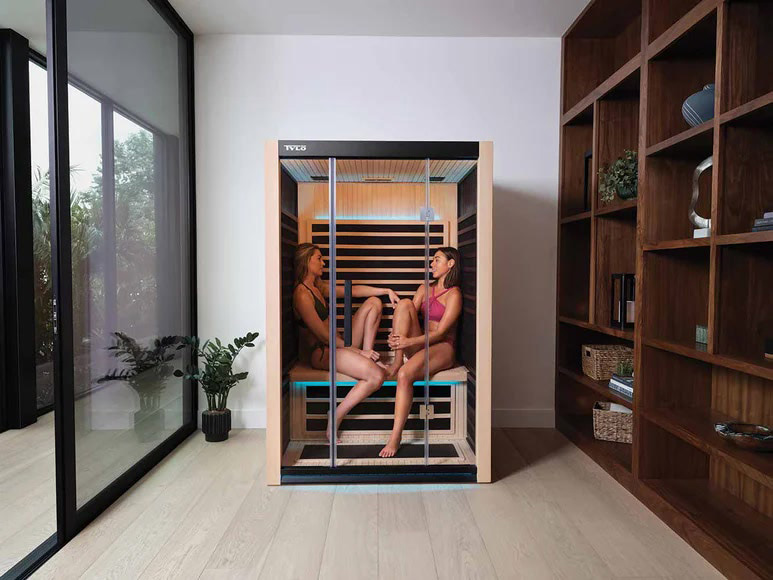
Infrared saunas operate at lower temperatures (120-140°F) using radiant heat that penetrates skin directly. While temperatures are lower, many users find the heating sensation equally intense. Infrared wavelengths may offer additional benefits for muscle recovery and pain relief.
These saunas heat up faster and use less electricity than traditional models. They’re ideal for indoor installation where ventilation is limited or electrical service is restricted.
Indoor vs. Outdoor Installations
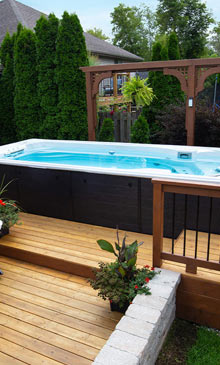
Outdoor saunas connect you with nature and provide natural cooling options between rounds. Seasonal temperature variations enhance the contrast experience. Privacy fencing and strategic placement create a retreat atmosphere.
Indoor saunas offer year-round convenience and protection from the weather. Bathroom proximity simplifies shower transitions. Basement or spare room installations transform unused space into wellness sanctuaries.
Who Should Avoid Contrast Therapy?
People with cardiovascular conditions, uncontrolled blood pressure, or pregnancy should consult healthcare providers before starting. Those with open wounds, acute injuries, or certain skin conditions should postpone practice until healed.
Alcohol consumption before or during sessions increases dehydration risk and impairs temperature regulation. Never practice alone if you have any health concerns. Keep sessions shorter if taking medications that affect circulation or blood pressure.
Creating a Safe Practice Environment
Install grab bars and non-slip surfaces in transition areas. Keep towels and robes easily accessible. Maintain clear paths between temperature stations. Have emergency communication available.
Proper maintenance ensures equipment safety and longevity. Regular cleaning prevents bacterial growth. Monitor and adjust chemical levels in hot tubs. Service sauna heaters annually for optimal performance.
Breathing and Mindfulness Integration
Controlled breathing enhances the benefits of temperature exposure. Practice slow, deep breaths during heat to promote relaxation. Use energizing breath patterns during cold exposure to maintain calm.
Mindfulness during transitions helps manage discomfort and builds mental resilience. Focus on physical sensations without judgment. This presence carries into daily stress management.
Combining with Other Recovery Methods
Pair contrast therapy with stretching or yoga between rounds for enhanced flexibility. Light movement during rest periods maintains circulation without overexertion. Foam rolling after sessions maximizes muscle recovery benefits.
Hydration strategies optimize results. Electrolyte replacement supports fluid balance. Timing nutrition around sessions affects energy and recovery. Our wellness experts can recommend complementary practices for your goals.
Frequently Asked Questions About Contrast Therapy
How Long Should Each Temperature Exposure Last?
Heat exposure typically lasts 15-20 minutes, while cold exposure ranges from 30 seconds to 3 minutes depending on tolerance and experience level. These durations provide optimal physiological benefits without excessive stress.
What Temperature Difference Creates Therapeutic Benefits?
A minimum 30-40°F temperature difference creates therapeutic effects, with greater contrasts providing stronger circulatory responses. Most protocols use sauna temperatures of 150-195°F and cold exposure of 50-70°F.
Can You Practice Contrast Therapy with Just a Hot Tub?
Yes, alternate between hot tub heat (100-104°F) and cool showers or outdoor air exposure for temperature contrast benefits. While not as intense as sauna-to-cold protocols, this still provides therapeutic value.
How Quickly Will Results Appear?
Many people report improved sleep and reduced muscle soreness after their first session. Cumulative benefits like enhanced immunity and stress resilience build over weeks of regular practice. Consistency yields the best long-term results.
What’s the Best Time of Day for Sessions?
Morning sessions energize and prepare you for the day ahead. Evening practice promotes relaxation and improved sleep quality. Post-workout timing maximizes recovery benefits. Choose timing that fits your schedule and goals.
Getting Started with Royal Pools & Spas
Ready to add contrast therapy to your wellness routine? Royal Pools & Spas has served New York families since 1959, providing expert guidance on sauna and hot tub selection, installation, and maintenance.
Visit our showrooms in New Hampton, Newburgh, or Poughkeepsie to explore sauna options and experience our wellness products firsthand. Our knowledgeable staff designs contrast therapy systems that fit your space, budget, and wellness goals.